

- Overview
- Transcript
2.2 Name Your Plans Suitably
Best practice #2: name your plans correctly. Your potential customers should somehow identify with each pricing plan—this will help them when choosing one. Let’s learn more.
1.Introduction
1.1Welcome00:45
1.2What Is a Pricing Table?03:40
2.Correct Planning
2.1Be Consistent With the Website’s Design05:42
2.2Name Your Plans Suitably02:49
2.3Use a Sensible Number of Plans03:44
2.4Dial Down the Visual Noise05:04
2.5Make the Price Stand Out02:37
3.Focus on Your Customers
3.1Offer Multiple Payment Options02:32
3.2Highlight One Specific Plan02:19
3.3Offer Just the Right Amount of Information02:32
3.4Focus on the Benefits to the Customer02:19
3.5Make It Easy to Compare the Plans04:17
3.6Use a Clear Call to Action02:40
3.7Think About Mobile Users03:22
4.Conclusion
4.1The Conclusion02:46
2.2 Name Your Plans Suitably
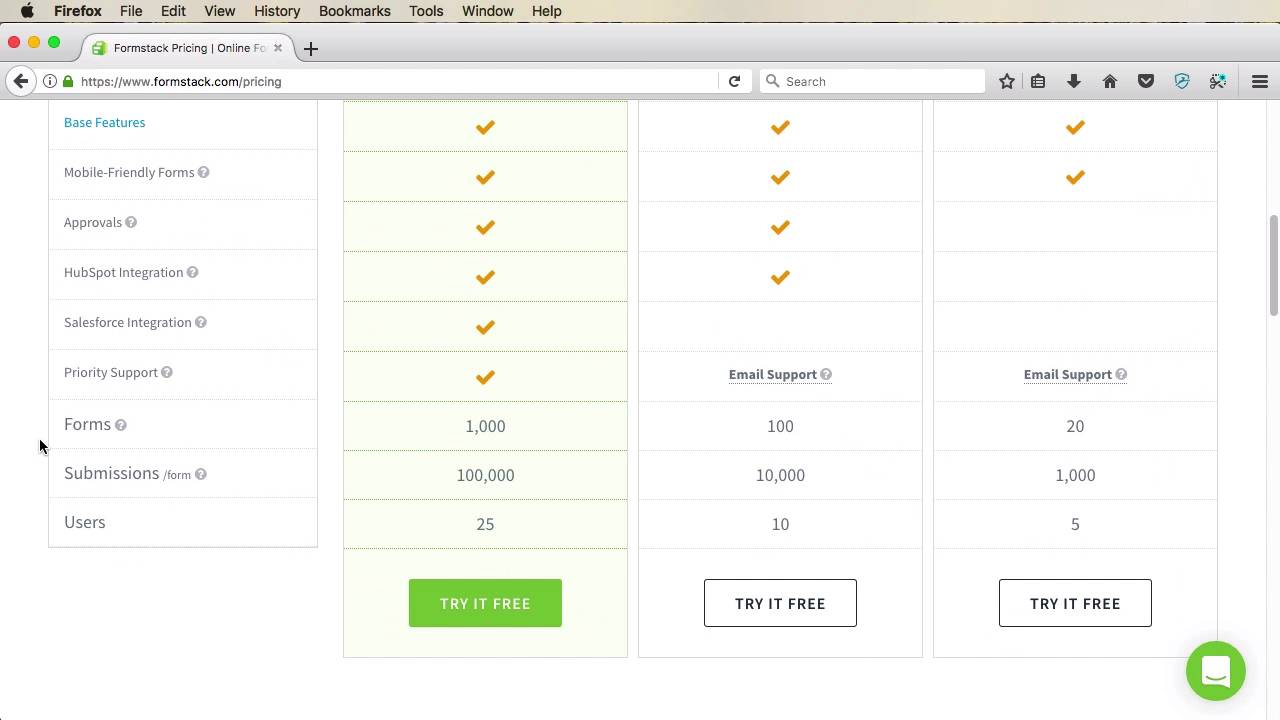
Best practice number two, name your plans correctly. Here's the thing. Your customers should somehow identify with those plans. It's something that will help them reach a decision faster. But if you're gonna use very generic or non-descriptive names, that's gonna be of a difficult. Also, the naming of your pricing plans should somehow reflect what those pricing plans are offering. TunnelBear, for example, uses three plans named Little, Giant and Grizzly just like you saw in the previous lesson. The difference between these is the amount of data they offer and the price. Another good practice you can take from this is how the naming of the plants, Little, Giant and Grizzly is obviously tied into their brand identity and their website theme. Now, let me give you an example from the opposite side of the scale. Let's look at Formstack. This is an online form builder. Now, Formstack has three plans. Platinum, gold and silver. The problem is that these names are very generic. They don't speak to the features they're offering and they don't identify what potential customers. What they could've done is name these plans based on certain key features and differences like, for example, the last three here. The number of forms, the number of submissions per form and the number of users. So based on these, perhaps names like startup agency and company would've been better or small, medium and large team. MailChimp on the other hand, does a fantastic job of naming their pricing plans and these will immediately identify with potential customers. Are you just starting out with email marketing? There's a new business plan, that's free. Do you have a business already, but you want to grow it? Well, fine. Pick the growing business plan. Are you really good at marketing? Are you a pro? Well, the Pro Marketer plan Is for you then. So do you see how naming your plans properly will immediately create a connection with your potential customers? It's a very simple thing, but one that a lot of people forget about and it's a very powerful technique for helping the users choose the right plan. So that's best practice number two, name your plans correctly. Let's move on to number three, which is use a sensible number of plans. That's coming up next.





